Feature article
Engine Oils: The Ultimate Guide
Engine oil decoded: Learn how to choose the right oil for superior engine protection and a long life on NZ roads.

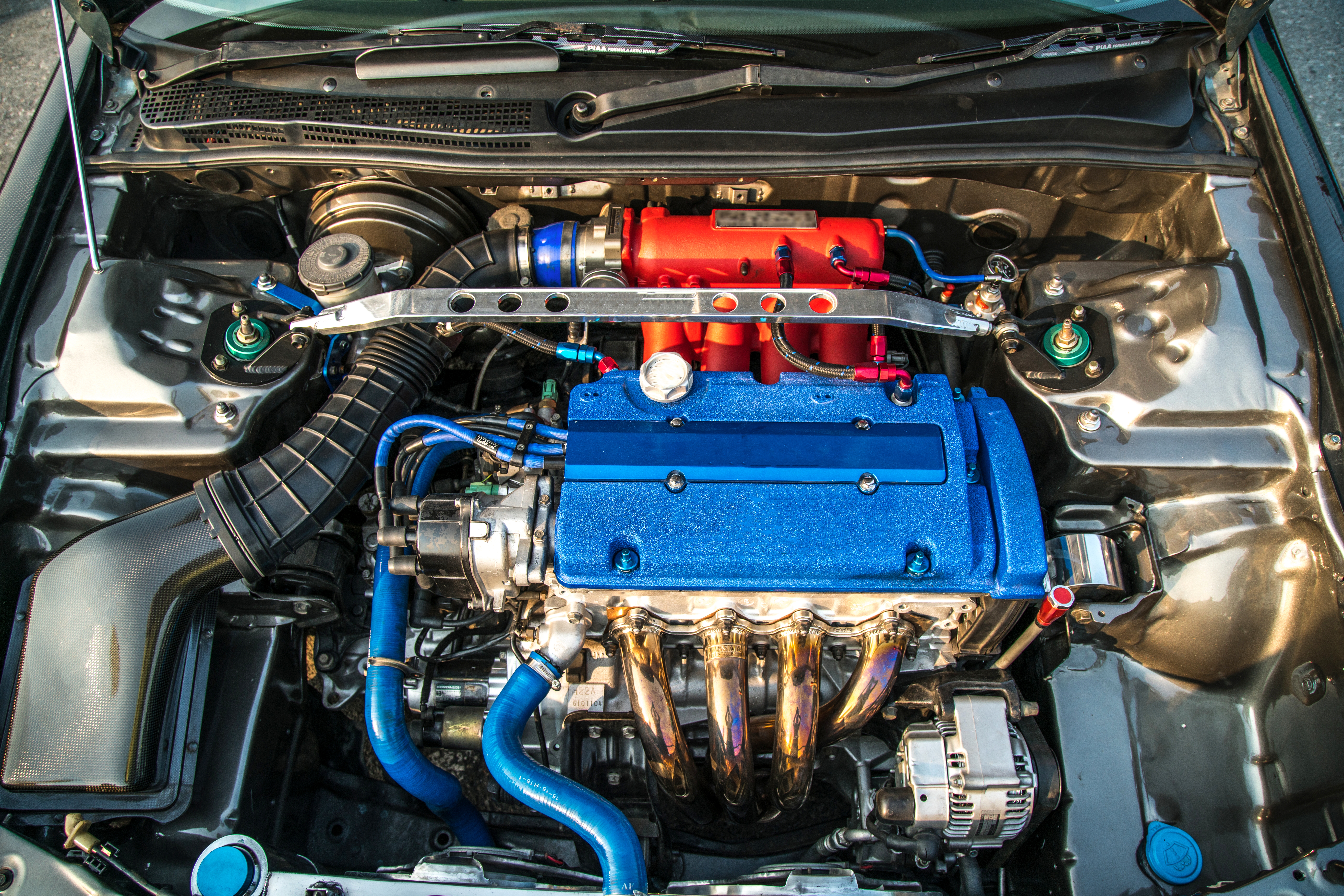
Why Your Engine Needs Oil: The Four Key Jobs
1. What Do the Numbers Mean? (Viscosity)
2. Synthetic, Conventional, or Blend? (Base Oil Type)
| Oil type | What it is | Best For | Key Advantage | ||||
|---|---|---|---|---|---|---|---|
| Conventional (Mineral) | Conventional (Mineral) | Refined crude oil. The oldest type. | Refined crude oil. The oldest type. | Older, simpler engines where maximum performance isn't required. | Older, simpler engines where maximum performance isn't required. | Lowest cost. | Lowest cost. |
| Synthetic | Synthetic | Chemically engineered from scratch. | Chemically engineered from scratch. | Nearly all modern cars, especially turbocharged or high-performance models. | Nearly all modern cars, especially turbocharged or high-performance models. | Superior protection across extreme temperatures and longer time between changes. | Superior protection across extreme temperatures and longer time between changes. |
| Semi-Synthetic (Blend) | Semi-Synthetic (Blend) | A mix of conventional and synthetic oils. | A mix of conventional and synthetic oils. | Drivers looking for a balance of cost and protection. | Drivers looking for a balance of cost and protection. | Better protection than conventional, but cheaper than full synthetic. | Better protection than conventional, but cheaper than full synthetic. |
3. The Other Letters (Standards and Additives)
Your Engine Oil Checklist
Author
Other articles you might like