Feature article
Powering Up at Home: A Straight-Up Guide to EV Charger Costs
Charging at home is one of the cheapest ways to "fuel" a car in NZ. There are 2 main costs: the hardware and the labour.

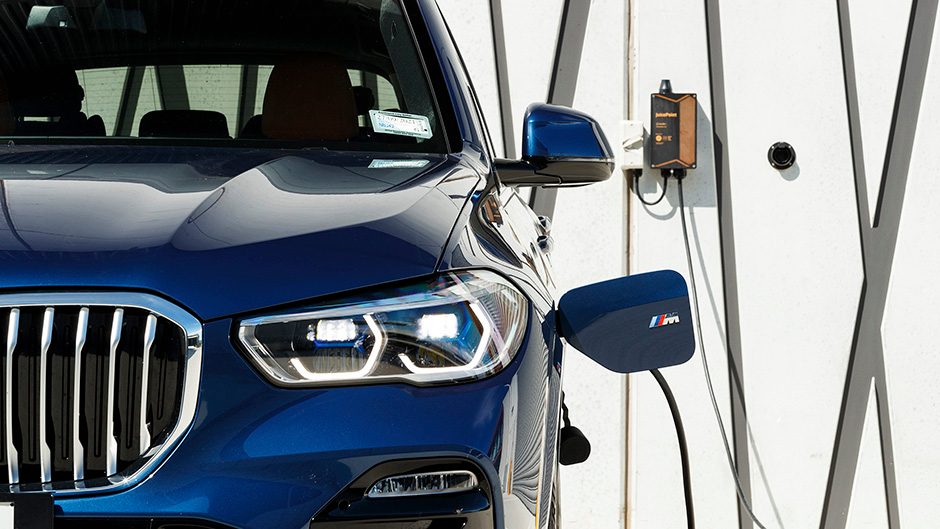
If you’re new to the EV world, here’s the good news up front: charging at home is one of the cheapest ways to “fuel” a car in New Zealand. On an overnight power plan, you’re effectively paying the equivalent of about $1.60 per litre to top up an electric vehicle.
But before you get those ultra-low running costs, there is an upfront price to get set up. And depending on your home, that bill can be straightforward… or it can creep up fast.
This guide cuts through the jargon and confusion to give you a straight-up, transparent look at home EV charger cost in NZ, including the hardware price, the installation cost, and the factors that can shift the final number.
There are two main parts to the total cost:
- The Hardware: The charger unit itself
- The Labour: The installation (the part that catches most people out)
Let’s break it down.
The Hardware Cost – Choosing Your Home EV Charger What you’ll pay for the charger unit
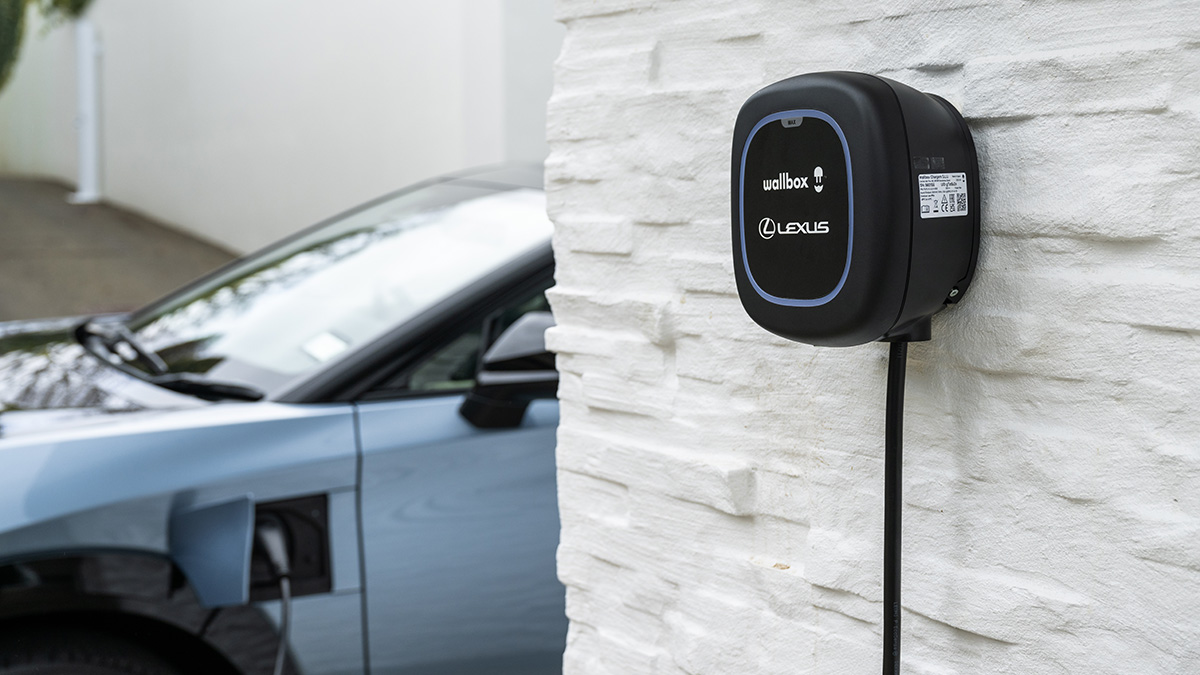
Most Kiwi households will be looking at a standard 7.4 kW single-phase wall charger, which is the sweet spot for cost, speed, and compatibility. In Aotearoa, these
typically cost between $800 and $2500.
That price is for the box on the wall—not the cable runs, trenching, breakers, or electrician time.
Basic vs Smart Chargers
You’ll see two main categories on the NZ market:
Basic chargers
These simply deliver power when you plug in. You set and forget. No apps, no load monitoring, no fancy features.
Smart chargers
These come with features like:
- App control (start/stop charging from your phone)
- Load balancing (ensures your home doesn’t overload when multiple appliances are running)
- Time-of-use scheduling (automatically charges during cheap/free power periods overnight)
For most EV owners, the extra couple of hundred dollars pays itself back quickly through smarter charging habits.
Plug Types: What you need to know
New Zealand’s EV landscape has mostly unified around Type 2 AC charging, so choosing a Type 2 unit keeps things simple and future-proof.
What about the trickle charger? (the “free” option)
Almost every EV comes with a 3-pin portable charger that plugs into a normal wall socket.
Benefits:
- Free
- No installation
- Fine for very low-mileage drivers
Limitations:
- Very slow (add roughly 8-10km per hour)
- Not ideal for bigger batteries
- Not recommended long-term due to heat and safety limits
The Labour Cost – What Installation Really Costs in NZ
Here’s the part that causes the most confusion—and the widest range in pricing.
The standard install
If your switchboard is modern, you’re placing the charger close to it (e.g., inside a garage), and your electrician doesn’t hit any hurdles, you’re looking at: $800 to $1500 for installation
However, costs can rise depending on complexity. Realistically, you’re looking at:
Total installation range: $1200 to $2500
Let’s go through the factors that can push the cost up—the “gotchas” that matter most for Kiwi homes.
The Cost Drivers: What Affects EV Charger Installation Cost in Aotearoa?
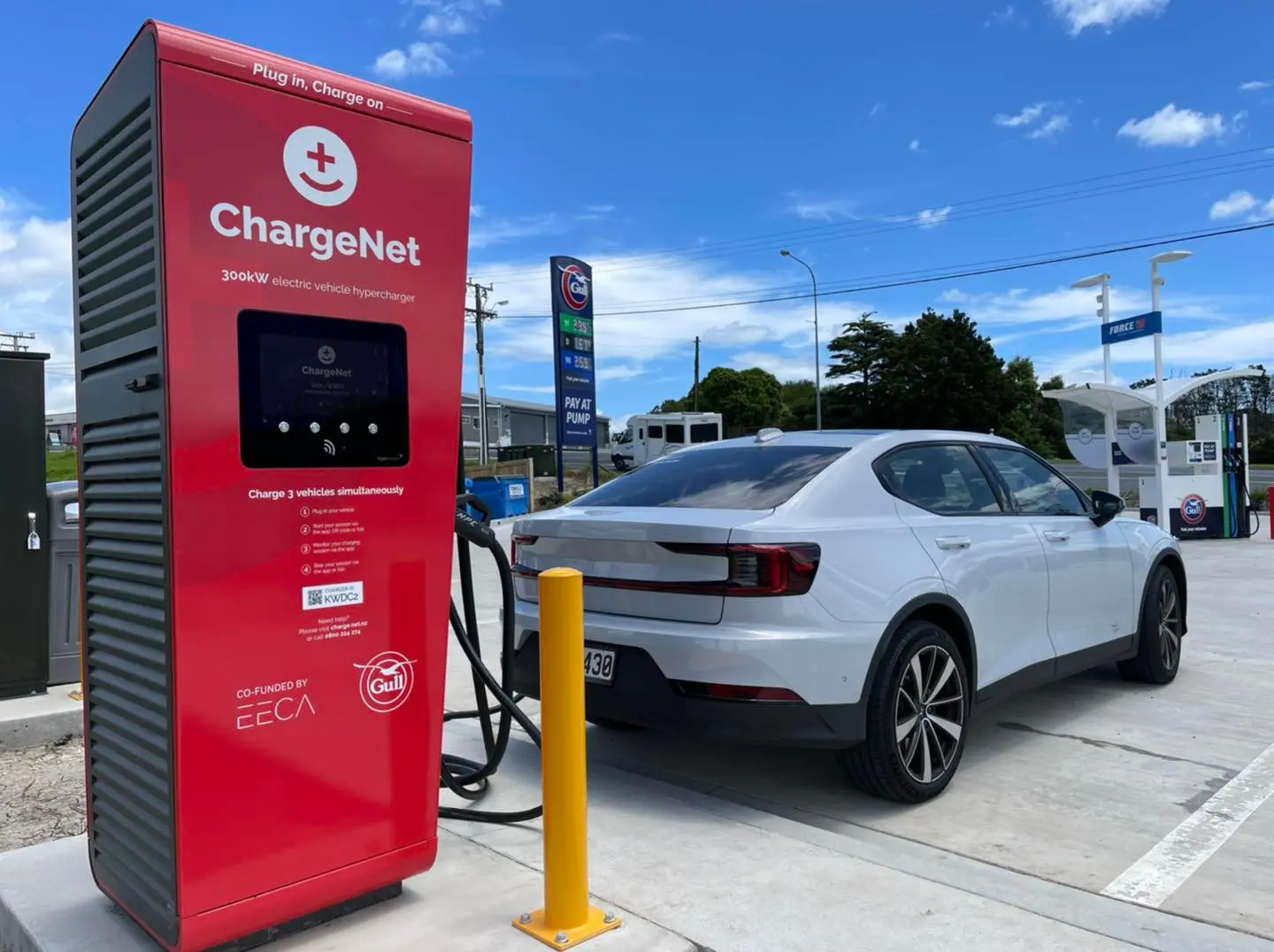
These are the variables that impact your final quote. In some homes, none apply. In others… all of them do.
1. Distance from the switchboard (the #1 cost factor)
The further your charger is from your main switchboard, the more labour and cable are required.
Examples that bump up the price:
- ·ong driveways
- Detached garages
- Carports on the far side of the house
- Apartments with basement parking
High-quality cabling is expensive, and long runs can easily add hundreds to the bill.
2. Switchboard capacity
If your switchboard is older or already near its limit, your electrician may need to:
- Add a new circuit
- Install a new RCD (safety device)
- Upgrade part of the board
- In rare cases, replace the entire board
This is where installation cost can really jump from a straightforward job to something costing closer to $2000–$2500.
3. Cable run complexity
Electricians charge for time. Anything that slows the job down increases the cost.
Common examples in NZ homes:
- Running cable through roof cavities
- Drilling through multiple walls
- Installing conduit along exterior walls
- Trenching across grass or concrete to reach a detached garage
Trenching—especially across concrete—is one of the biggest labour costs many Kiwi don’t expect.
4. Power type: Single-phase vs three-phase
Most homes in Aotearoa are single-phase, which limits AC charging to around 7.4 kW.
Some households have (or want to install) three-phase power. This:
- Allows much faster AC charging
- Requires a compatible three-phase charger
- Makes installation more complex
- Almost always increases cost
Unless you’re driving big mileage daily or owning a large-battery EV, three-phase is usually overkill and not worth the extra expense.
5. Getting Your Money’s Worth (The Payback)
The reality
Yes, home EV charger setup has an upfront cost. But once you’re connected, the day-to-day running cost is dramatically lower than petrol.
Most Kiwi EV owners are paying:
- As little as 2–7 cents per km
- Or taking advantage of free or ultra-cheap overnight power plans
Why a Smart Charger makes financial sense
Smart chargers unlock:
- Automatic off-peak charging
- Load balancing (avoiding board upgrades)
- Real-time energy use tracking
If you plan to own an EV for more than a couple of years, that extra cost for a smart charger pays itself back quickly.
Safety First: The Must-Know Rule
EV chargers must be installed on a dedicated circuit with correct safety gear (usually a Type B RCD) and must be installed by a certified, registered electrician.
Don’t cut corners here. Insurance, safety, and compliance all depend on doing it right.
Budgeting for the Future
So, how much is a home EV charger in New Zealand? Here’s the straight-up summary:
- Hardware: $800–$2500
- Installation: $800–$2500
- Typical total: $1600–$5000
It’s a one-off investment that gives you:
- Ultra-cheap “fuel”
- Full overnight charging
- Convenience no public charger can match
If you’re planning where your charger will go, the next step is simple:
Get a couple of quotes from local, registered electricians, share your exact parking setup, and compare options. And if you’re still deciding on your next EV, check out the huge range on Trade Me Motors—you’ll find everything from budget commuters to long-range family EVs ready to plug in.
Author
Other articles you might like