Buying guide

What to look for when viewing and test driving a car

Here’s what you need to know to maximise the effectiveness of this stage of your car buying process.
Be thorough

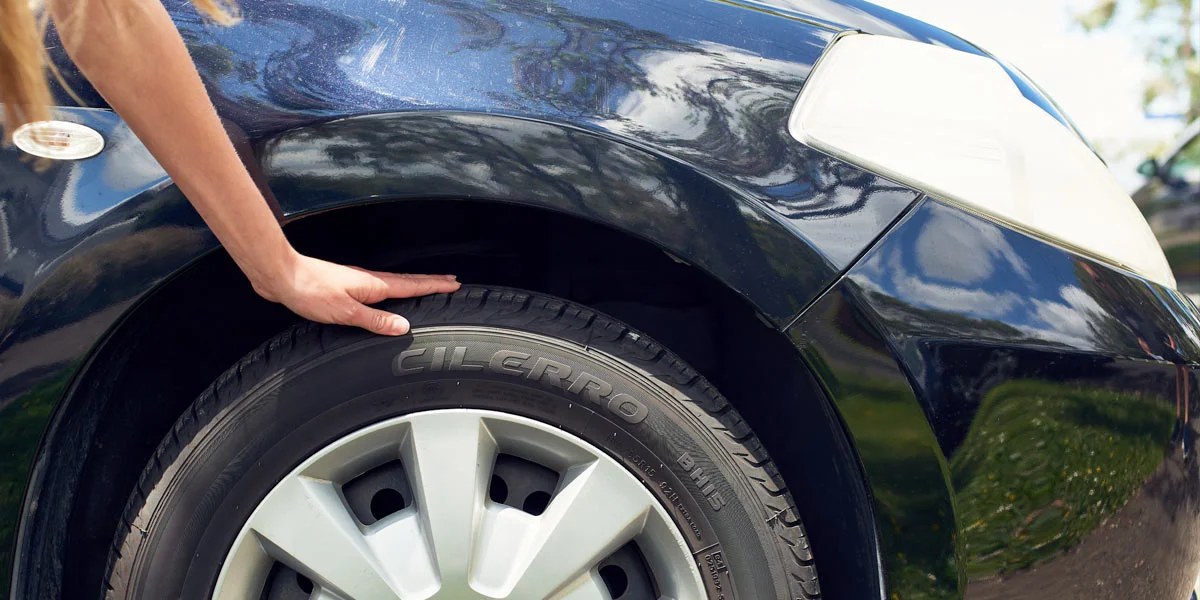
  • Undertake a visual inspection of the exterior; look for rust, bubbling paintwork, scratches, panels or doors which don’t line up (potentially indicating a crash), and chips in the windscreen.
  • Inside, look for water damage or ripped areas. Try out all the seats and check they’re comfortable. Make sure there aren’t any bad smells coming from the inside.
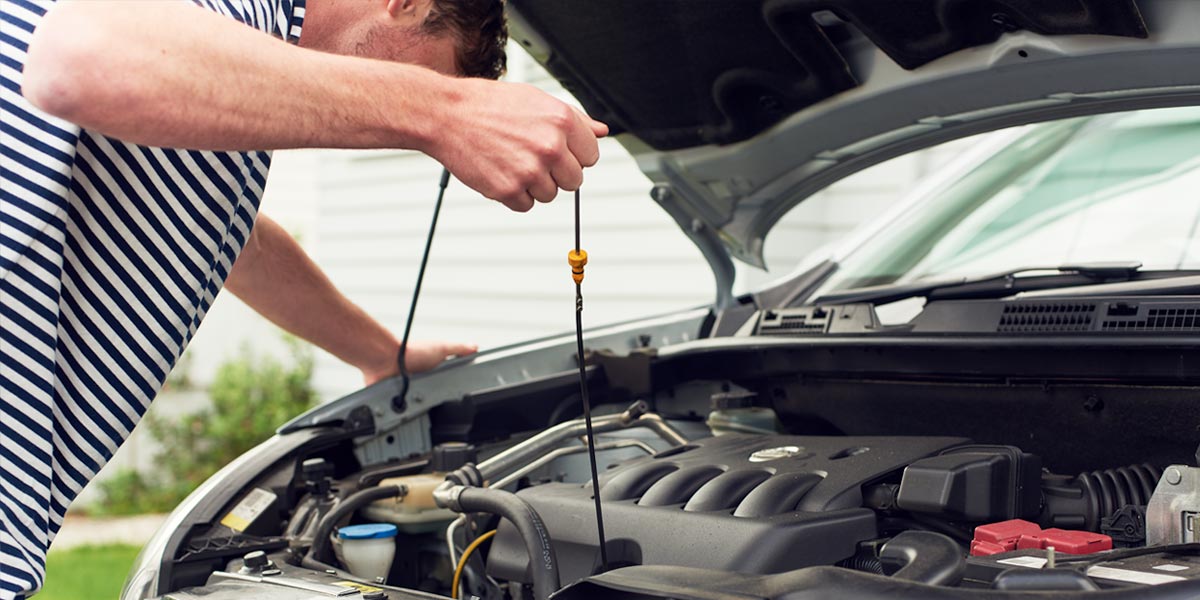
  • If you have car knowledge, check the engine; look for cracks and check liquids – or get an expert to have a look.
  • Ask the owner or dealer if there’s anything you should know about the car and request to see service records – ethically, they’re obliged to inform you of any issues.
  • Consumer information notice (CIN) must be displayed on any car that a dealer is selling. Here's our guide to CINs and how to read them.

Take it for a test drive

  • Before heading out, check the registration and Warrant of Fitness (WoF) are up to date. If not, you could be fined.
  • If the car is being sold privately, it may also be wise to check the owner’s insurance covers you.
  • On the test drive, try the car on a hill, urban roads and the open road/motorway to gauge performance. See how steadily it maintains a straight line or if it pulls to one side slightly, how comfortable it is to turn the steering wheel and if the power steering is effective.
  • On the road, feel how the car handles corners and take note of anything that seems strange.
  • Be sure to park it in the type of spot you’d regularly park in.
  • Make sure that all doors and windows work and that the key works in all the doors.
  • Check to see if the lights, camera and other electric features, including the air conditioning and heating are working properly.

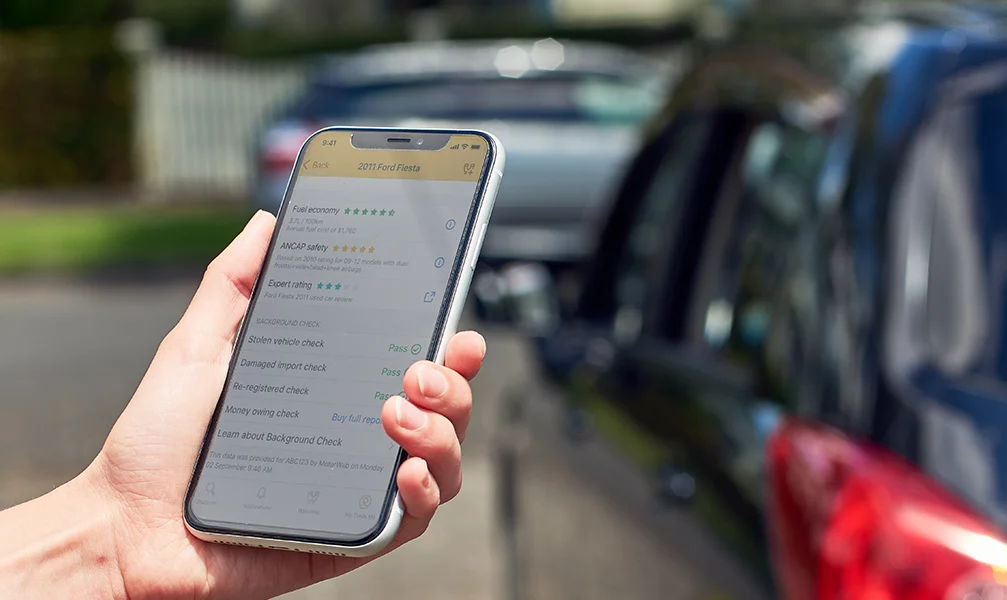
Get a Vehicle Information Report