Feature article

WoF Shake-up: What longer inspection intervals really mean for Kiwi drivers

NZ WoF intervals are longer (4 years for new, 2 for older cars). Drivers must check tyres, lights, and wipers regularly.


Kyle Cassidy
Last updated: 2 December 2025 | 4 min read

After years of debate, the Government’s proposed Warrant of Fitness (WoF) overhaul is finally here, and it’s one of the biggest shake-ups in decades. Designed to “modernise” vehicle inspection laws, the changes aim to save time and money for Kiwi drivers. But there’s a catch: with fewer visits to your local testing station, the responsibility for keeping your car roadworthy now rests more squarely on your shoulders.In other words, while the system is evolving, so must we as drivers.

A new era for WoF

The WoF has long been part of Kiwi motoring life. It’s a regular reminder to make sure your car is safe to drive. But under the proposed new rules, you might be seeing your mechanic a lot less often. 

Here’s how the new inspection intervals break down: 

  • Brand new vehicles – Your first WoF will now last four years from registration. 
  • Vehicles aged 4–10 years – A WoF will be valid for two years. 
  • Vehicles 10 years and older – No change; they’ll continue to require an annual inspection. 

For the average motorist, it’s a welcome change: less paperwork, less waiting around, and less cost. 

For commercial operators, there’s also movement. The proposed rules for Certificate of Fitness (CoF A) checks would see newer taxis, rideshares, and other light commercial vehicles inspected annually instead of every six months, provided they meet certain age and condition criteria. Older fleet vehicles, however, would still be under closer scrutiny. 

Why mechanics are cautious

While many drivers are cheering the change, the automotive industry is quietly urging caution. 

Craig Draper, owner of numerous mechanical repair shops in Auckland says the key concern isn’t with the new rules themselves, it’s Kiwi’s driving habits. 

He’s been reported as saying; “We find, from experience, that people don’t generally look at their tyres, look at their vehicle safety, and they actually rely on their vehicle inspectors to do that for them.” 

MTA data shows that around one in five vehicles fail their WoF on easily fixable issues like worn tyres, faulty lights, or wiper problems. These are exactly the things that can worsen over months if unchecked. 

The shift to longer intervals reflects modern car reliability; today’s vehicles are built better, last longer, and feature technology that can alert drivers to problems early. But even the smartest cars still rely on the simplest component: the person behind the wheel.

Your new responsibility: Three key safety checks
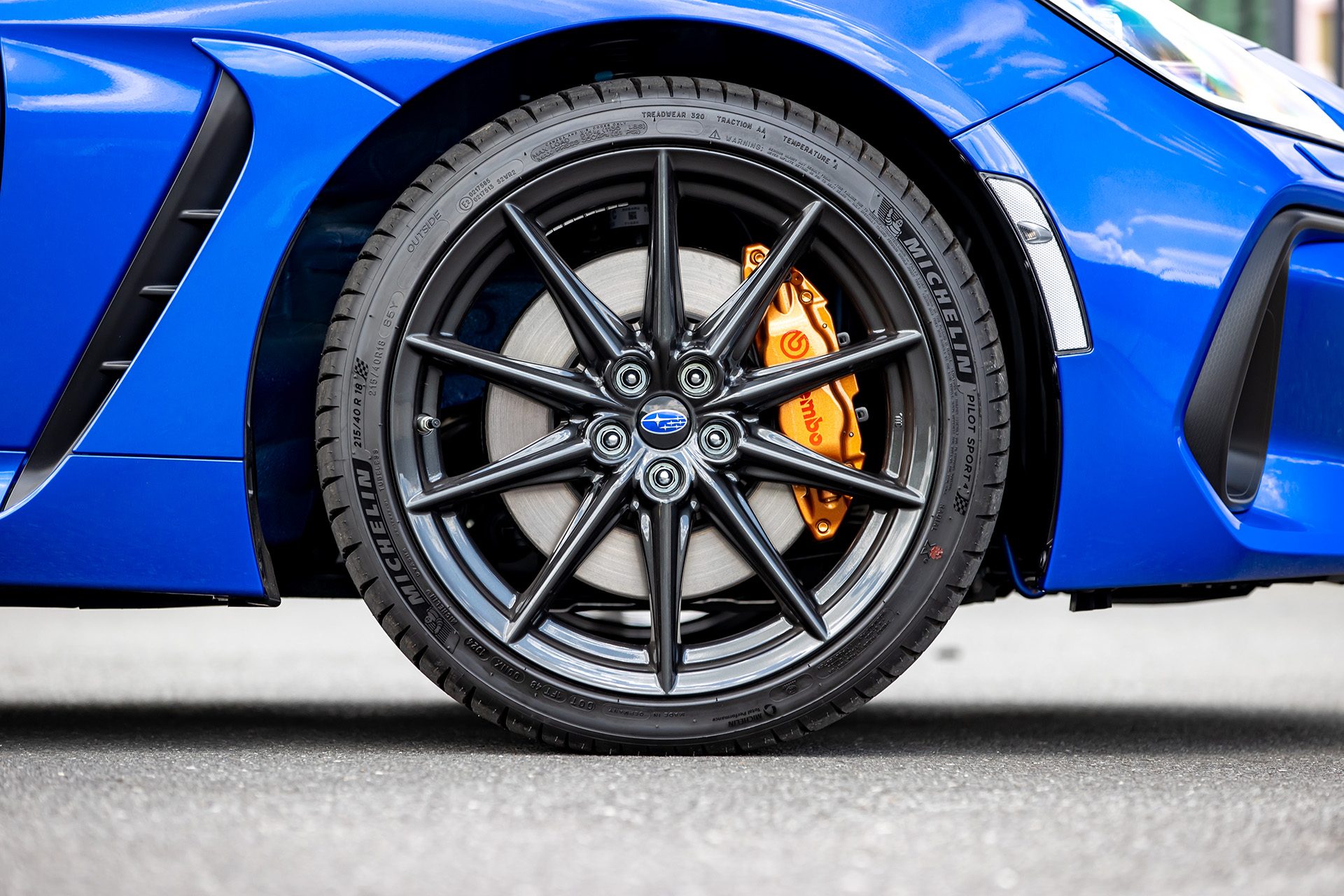
With more time between professional inspections, drivers need to take ownership of basic vehicle safety. Fortunately, you don’t need to be a mechanic, just be consistent with a few simple checks. Here are three every Kiwi motorist should make part of their routine: 

1. Tyres – Your only contact with the road

Your tyres are the only thing keeping your car connected to Aotearoa’s roads, so they deserve regular attention. 

  • Check tread depth: Legally, it must be at least 1.5mm, but for safety, consider replacing them at 2mm. 
  • Check tyre pressure: You’ll find the recommended PSI on a sticker inside the driver’s door or in your owner’s manual. 
  • Inspect for damage: Look for cuts, bulges, or nails that could cause a blowout.

2. Lights & Lenses – see and be seen

Headlights, brake lights, indicators, and even number plate lights are crucial for being visible to others. 

  • Check all lights: Turn them on, walk around your car, and make sure everything’s working. 
  • Ask for help: Have a mate check your brake lights while you press the pedal. 
  • Replace bulbs promptly: A blown light might seem small, but it can easily get you pulled over or cause a crash.

3. Wipers & fluid – Clear vision is safe vision

You can’t drive safely if you can’t see where you’re going. And in New Zealand, rain is always just around the corner. 

  • Check wiper blades: If they streak or squeak, it’s time to replace them. 
  • Top up washer fluid: Make sure you’ve always got clean water (and a dash of cleaner fluid) in the reservoir.

The real cost of convenience

The new WoF rules make life easier for drivers, but they also mark a cultural shift. The annual inspection has long acted as a safety net for drivers who don’t check their cars regularly. Without that frequent check-in, the onus now sits firmly with the owner. 

For many, that means learning some old-school habits. Monthly walkarounds, quick tyre inspections, and paying attention to dashboard warnings aren’t just “nice to do” anymore; they’re essential.

Looking ahead: Staying safe and smart

Overall, the WoF shake-up is a positive step towards a more efficient, modern system, especially for new car buyers who’ll enjoy a four-year WoF window. But for the rest of us, it’s a reminder that road safety doesn’t take a break just because the inspection schedule does. 

So before you celebrate fewer trips to the testing station, make a new habit: check your car once a month. Keep it roadworthy, keep it safe, and keep it Kiwi. And if you’re in the market for something newer, perhaps with that four-year WoF bonus, you’ll find thousands of options waiting for you at Trade Me Motors.

Author

Kyle Cassidy
Kyle Cassidy
Editor NZ Autocar magazine - autocar.co.nz

Kyle has been reviewing cars since starting at NZ Autocar magazine in 2003 and has been editor since 2009. In that time he’s become an expert on what makes for a good vehicle while also gaining insights into the local automotive industry.